CSO Representation in the Launching FAO GEF7 Biodiversity Project
FAO GEF7 Intervention • 4-State Lowland Forest Landscape • Okomu Biodiversity Recovery
Project Status
Active & Ongoing Verification
Interactive Album
Project Overview
Introduction & Strategic Context
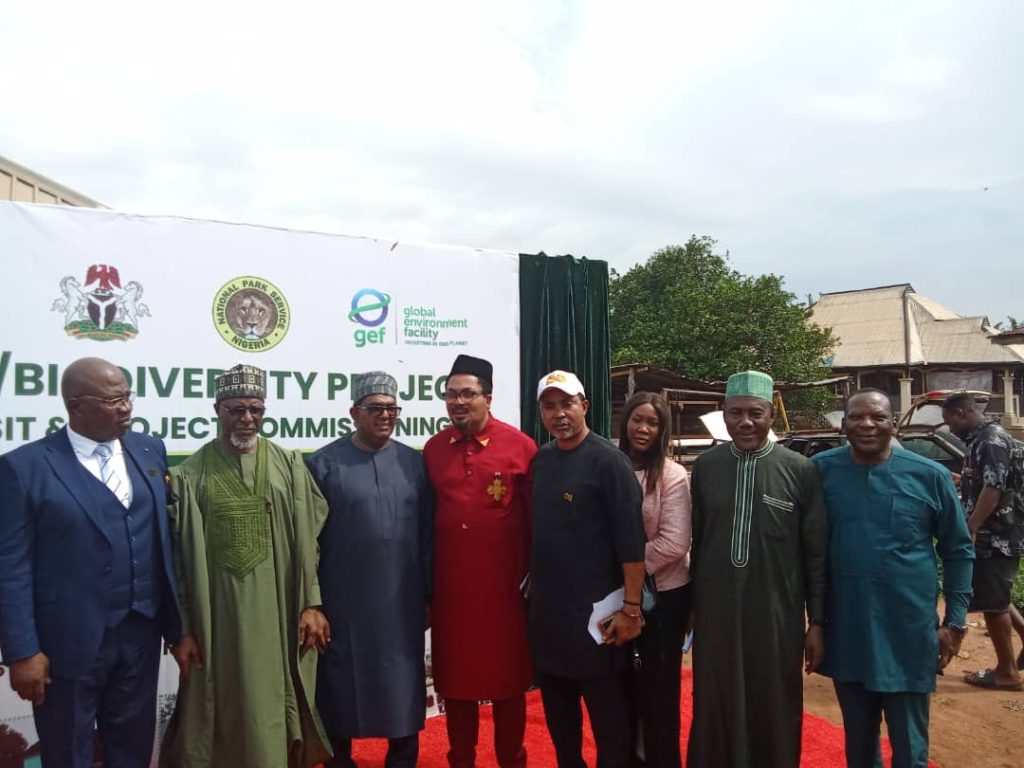
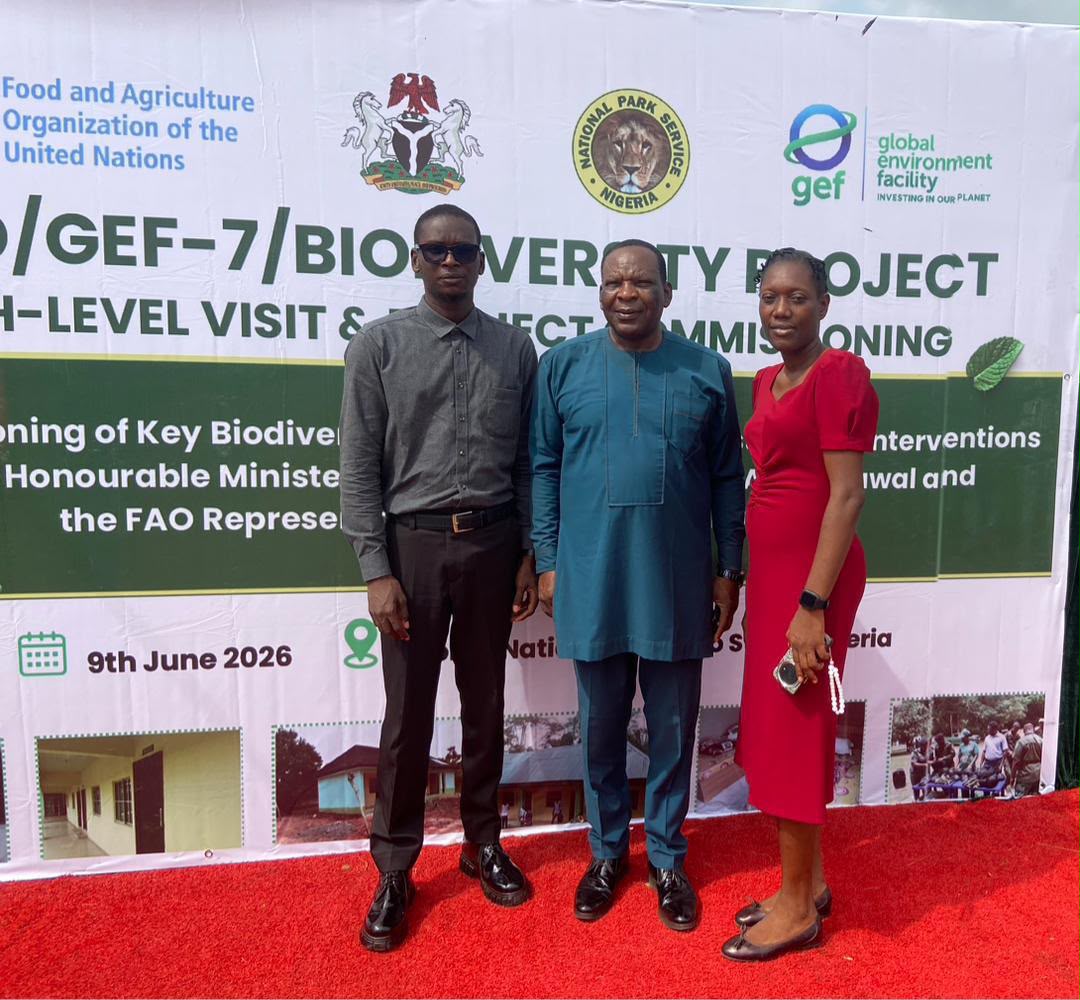
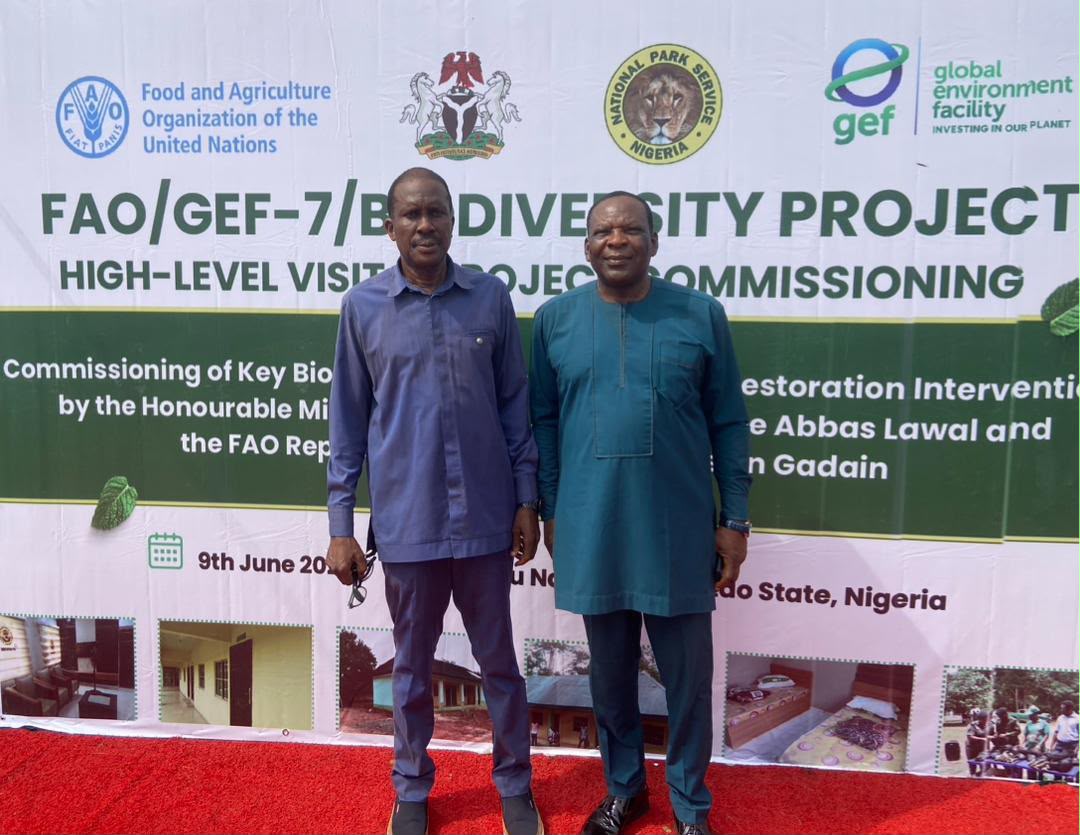
A high-level visitation and project commissioning was conducted in Udo Community for the launch of the FAO GEF7 Biodiversity Project. The Sustainable Earth Development Foundation (SusEarth) played a pivotal role, participating as the official representative for Civil Society Organizations (CSOs) during the event. The visit involved the Honourable Minister, FAO Country Representative/FAOR Team, Conservator of Okomu National Park, and the project technical team. The objective was to commission project facilities, inspect interventions, and engage host communities on biodiversity conservation and sustainable use of the lowland forest mosaic landscape covering Ogun, Edo, Delta and Ondo States.
Facility Commissioning & Base Camp Tour
Representing the civil society sector, SusEarth joined the delegation on a courtesy visit to the Iyase of Udo to exchange traditional homage and briefings on community support for conservation. The Minister and FAOR then proceeded to the project site for the commissioning ceremonies, which featured an opening protocol, a welcome address by the Conservator of Okomu National Park, and a project overview by the Chief Technical Advisor.
Following the ceremonies, the delegation inspected the completed project facilities at Iguowon to assess infrastructure and implementation quality. A guided tour of Arakhuan Base Camp within Okomu National Park was also conducted. A major highlight of the conservation success under the project was the viewing of a baby elephant.
Key Observations & Conclusion
There is a strong collaboration between government, FAO, National Park Service, CSOs (represented by SusEarth), and host communities. The visible project infrastructure at Iguowon demonstrates progress in conservation interventions. Arakhuan Base Camp functions as a hub for protection, monitoring, and ecotourism, with the baby elephant sighting underscoring biodiversity recovery efforts. The community leadership through the Iyase of Udo shows local ownership of the project.
The visitation and commissioning showcased tangible results of the FAO GEF7 Biodiversity Project in conserving the lowland forest mosaic landscape and promoting sustainable livelihoods across Ogun, Edo, Delta, and Ondo States.