
Beating Up Collaboration between SusEarth and University of Benin, Department of Forestry and Wildlife.
Over 150+ Seedlings Planted • 47 Students Engaged • Opepe, Bombax, & Obeche Specie Conservation
Project Status
Active & Ongoing Verification
Interactive Album
Project Overview
Project Overview
In July 2026, the Sustainable Earth Development Foundation (SusEarth) executed a strategic field collaboration with the Department of Forestry and Wildlife at the University of Benin (UNIBEN). Operating under the department’s “Beating Up” initiative – a specialized ecological practice focused on gap-filling and early-stage forest regeneration – this project facilitated the replanting of indigenous timber species to restore degraded local ecosystems.
Field Operations & Native Species Regeneration
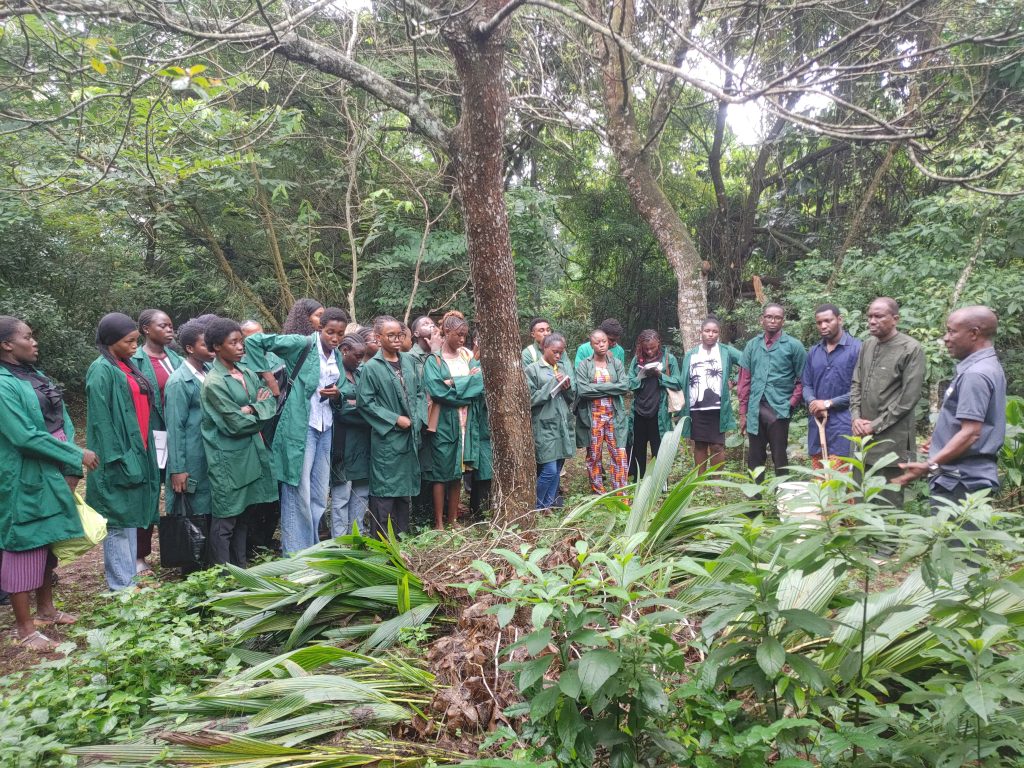
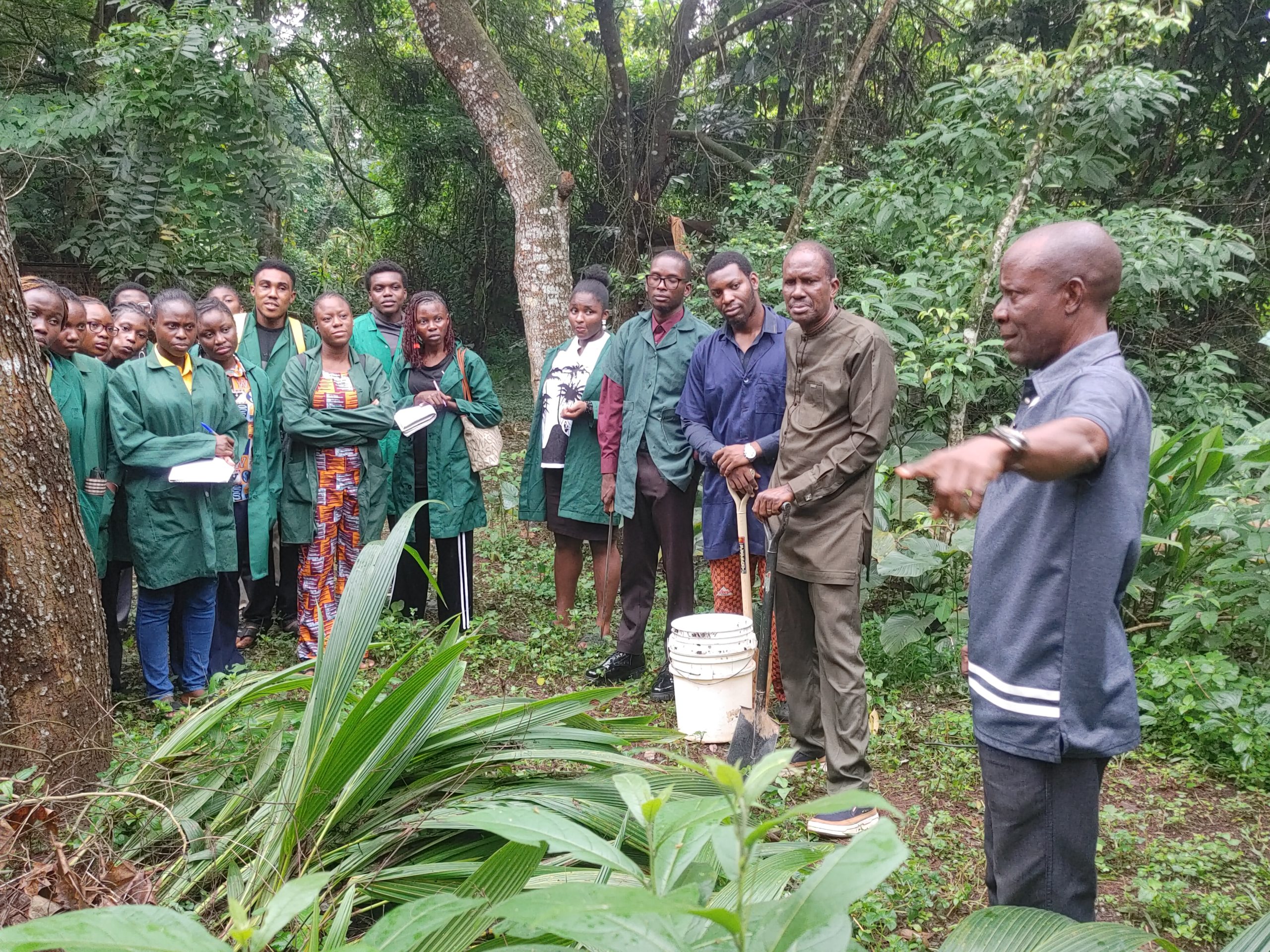
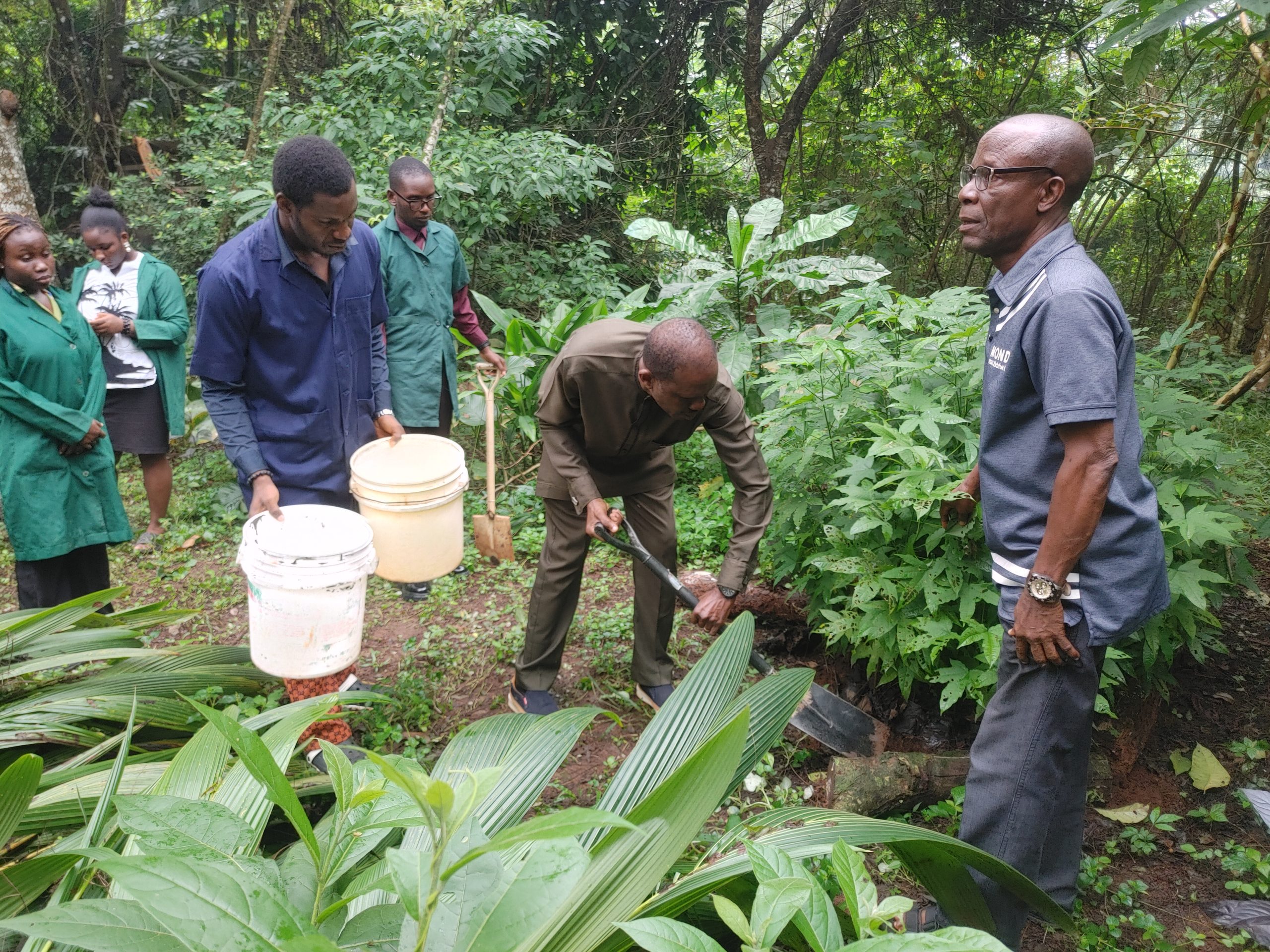
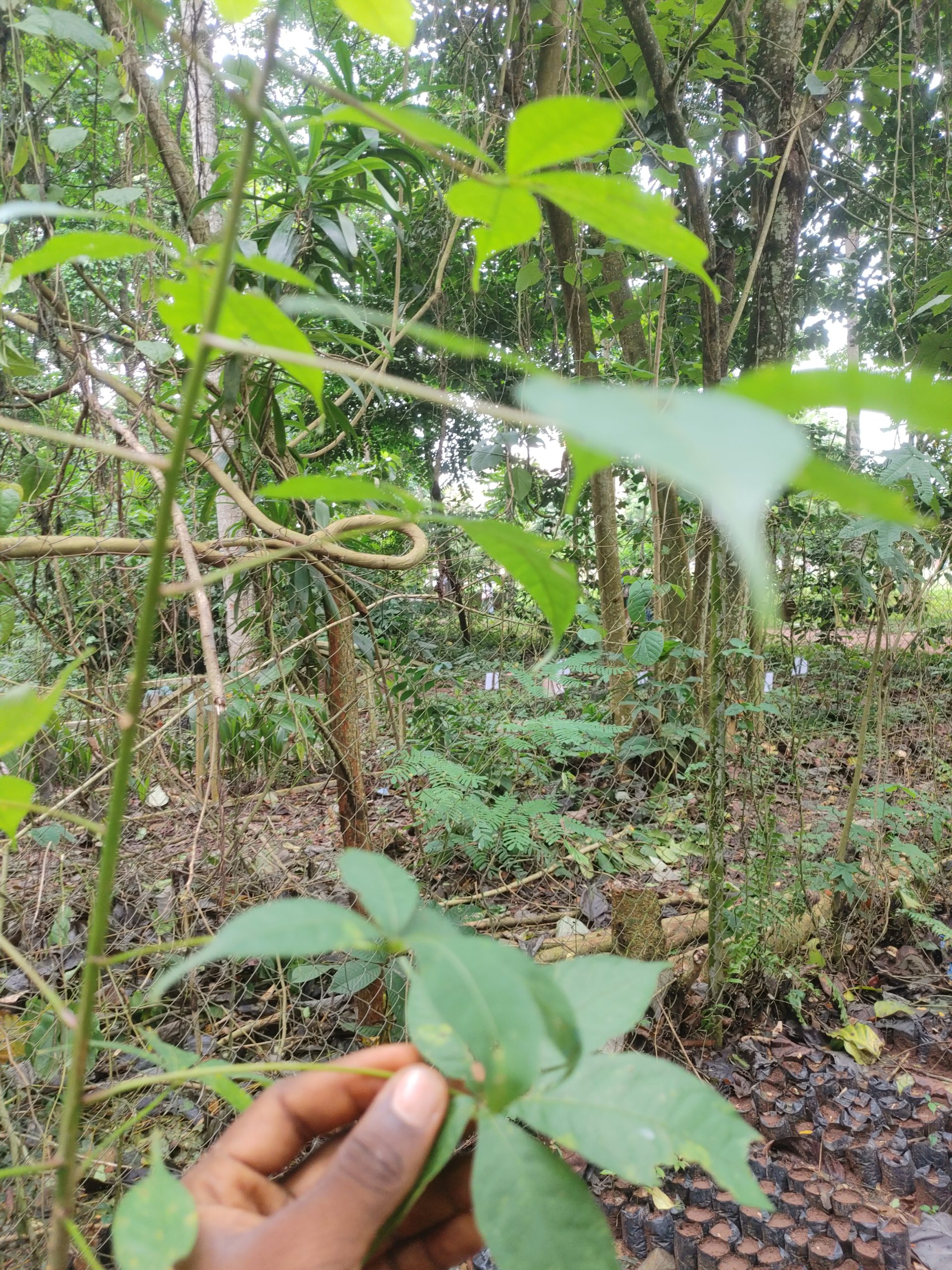
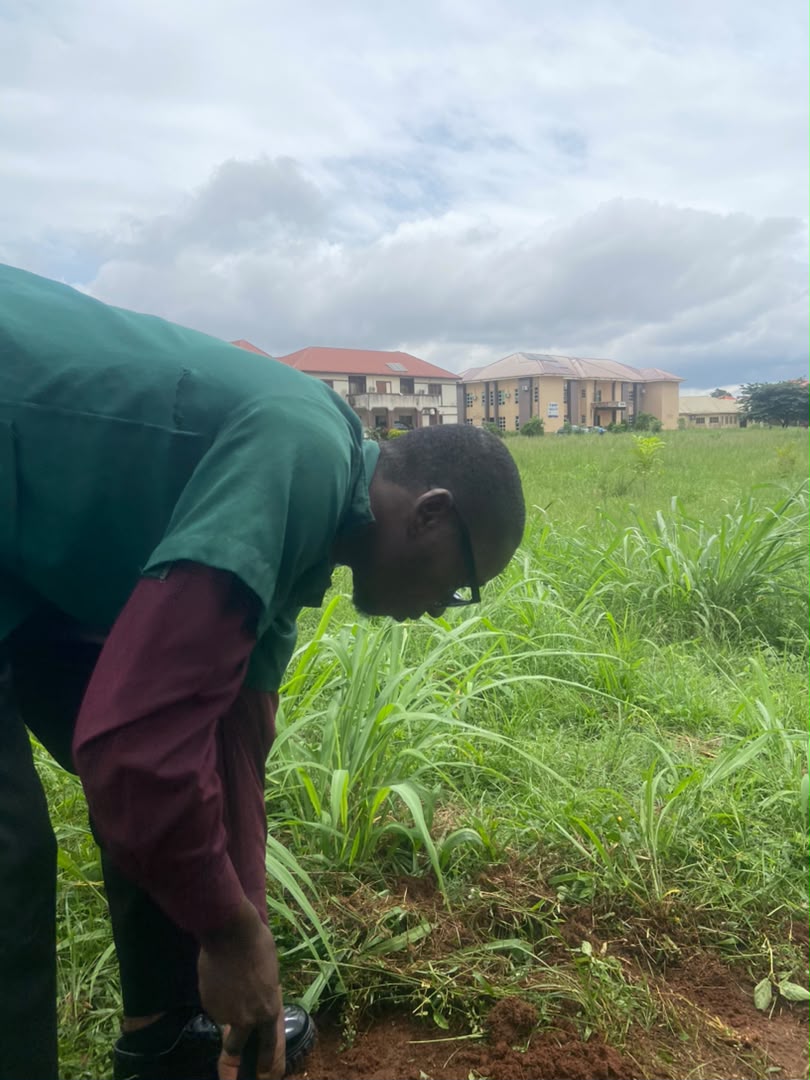
The intervention commenced at the university’s primary nursery, focusing on the identification and ecological cultivation of high-value indigenous timber species, including Opepe, Bombax, and Obeche (Triplochiton scleroxylon). Following structural assessments of seedling viability, SusEarth field operatives worked alongside UNIBEN faculty to transplant critical specimens into designated ecological corridors. This phase ensured the stabilization of fragile soil networks and promoted long-term native biodiversity.
Infrastructure Adaptation & Tree Relocation
A critical component of the field deployment involved sustainable urban planning intervention. To accommodate the development of new solar lighting infrastructure along the Vice Chancellor’s Road, SusEarth personnel and UNIBEN operatives successfully executed the strategic uprooting and relocation of existing trees. This precision exercise guaranteed zero net-loss of canopy cover while allowing renewable energy development to proceed unobstructed.
Capacity Building & Institutional Synergy
The project heavily emphasized capacity building, engaging 47 advanced forestry students (400-Level) in hands-on conservation techniques. The demographic distribution – comprising predominantly female students – highlighted a significant and encouraging shift toward female leadership in forestry and wildlife sciences. Through active knowledge transfer and practical fieldwork, the collaboration reinforced the critical intersection of academic theory, institutional partnerships, and grassroots ecological management.